Är cederträ det bästa valet för rötabeständighet i småhus?
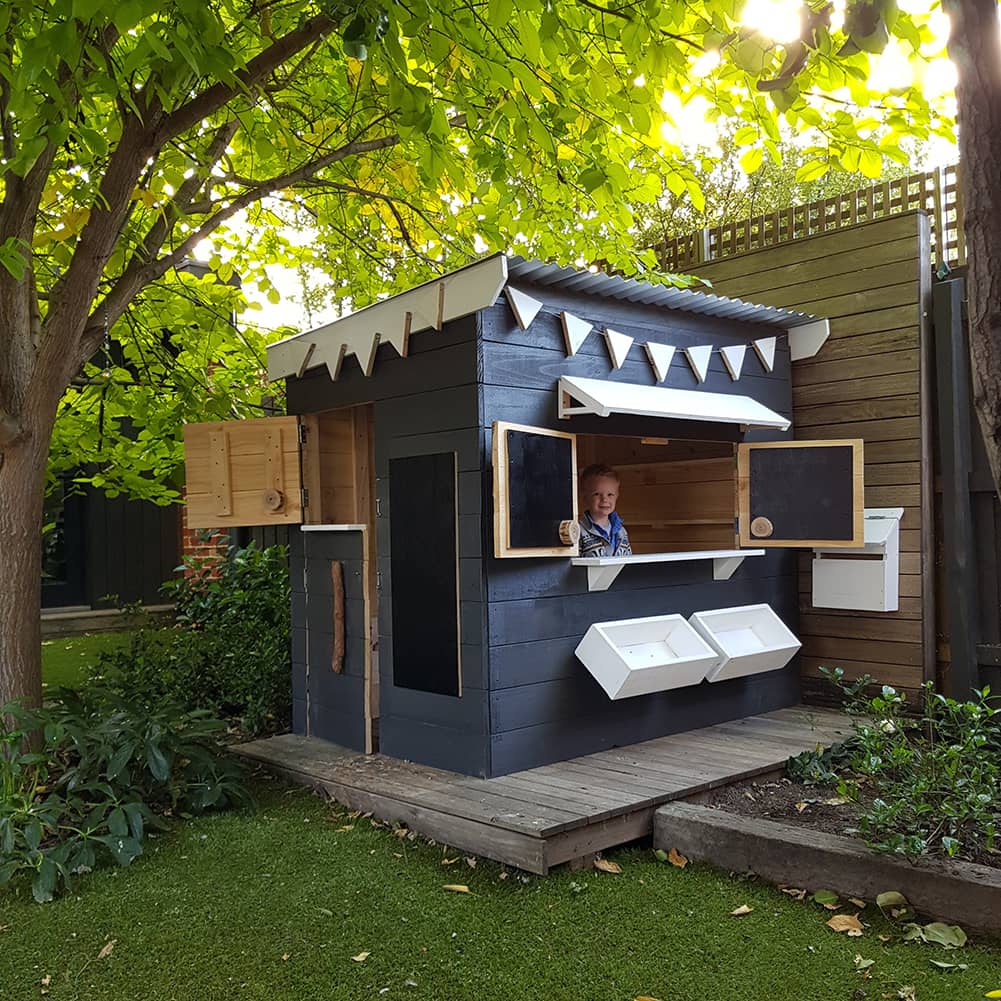
When it comes to selecting the perfect material for a long-lasting childrens cubby house, durability against the elements is a top priority. Among the various options, cedar wood consistently emerges as a premium contender, renowned for its natural ability to withstand decay. But is cedar truly the ultimate choice for rot resistance in outdoor cubby house construction, and what makes it stand out in a market filled with alternatives like pressure-treated pine? This in-depth analysis explores why cedar remains the gold standard for parents seeking a safe, beautiful, and enduring wooden cubby house for their backyard.
Cedar, particularly Western Red Cedar, is celebrated not just for its warm aesthetic but for its built-in biological defenses. The key to its longevity lies within its cellular structure, which contains natural oils and phenolic compounds that act as powerful preservatives. These substances make the wood highly resistant to moisture absorption, fungal decay, and insect infestation—the primary enemies of any outdoor cubby structure. This inherent resistance means a cedar cubby house can thrive for decades with minimal chemical treatment, offering a compelling blend of sustainability and performance.
The Science Behind Cedar's Natural Defense
Unlike pressure-treated woods, which rely on industrial chemicals to repel rot, cedar’s protection is organic. Its low density and unique cell structure create a natural barrier against water, preventing the sustained dampness that leads to wood rot. Furthermore, the aromatic oils in cedar, such as thujaplicins, are toxic to decay-causing fungi and wood-boring insects. This built-in defense system allows a wooden cubby house made from cedar to age gracefully, developing a distinguished silvery-gray patina if left untreated, without compromising its structural integrity. For parents concerned about their children’s prolonged contact with play surfaces, this natural resistance offers significant peace of mind, reducing the need for frequent chemical re-treatments.
Comparative Durability: Cedar vs. Pressure-Treated Pine
While pressure-treated pine is a popular, cost-effective option for outdoor cubby house projects, its rot resistance is engineered rather than innate. The treatment process forces preservatives into the wood, providing robust protection, but this protection can diminish over time, especially in areas of high moisture or physical wear. Pressure-treated wood often requires regular resealing with safe, non-toxic finishes to maintain its barrier, adding to long-term maintenance.
In contrast, a cedar cubby house offers a more consistent and long-lasting defense from within. Its resistance is uniform throughout the timber, not just a surface coating. This results in a structure that is less prone to warping, cracking, or splintering over time—a crucial safety feature for any childrens cubby houseÄven om den initiala investeringen i cederträ är högre, leder dess livslängd och minskade underhållsbehov ofta till ett bättre värde under konstruktionens livslängd.
Bortom rötabeständighet: De holistiska fördelarna med cederträ
Att välja cederträ för en fackhus sträcker sig bortom att bara bekämpa förfall. Dess fördelar är mångfacetterade:
Estetisk mångsidighet: Cederträets rika färg och raka ådring ger ett tidlöst, exklusivt utseende som förhöjer vilken trädgård som helst. Det kan enkelt betsas för att behålla sin nyans eller låtas vittras naturligt till en vacker silverfärg.
Värmeisolering: Cederträ har utmärkta isolerande egenskaper och håller insidan av utomhusfack svalare på sommaren och mer tempererade på vintern jämfört med metall- eller plastalternativ.
Lättviktsstyrka: Trots sin hållbarhet är cederträ relativt lätt, vilket gör det lättare att arbeta med för gör-det-själv-projekt samtidigt som det ger en robust och säker ram för aktiv lek.
Domen: En premiuminvestering för ett äldre teaterhus
För familjer som frågar: ”Vilket är det bästa materialet för en varaktig trähus”Cederträ presenterar ett övertygande argument. Dess överlägsna naturliga rötbeständighet, i kombination med dess estetiska tilltalande, säkerhet och miljöprofil, motiverar dess status som ett premiumval. Det är det perfekta valet för föräldrar som ser en fackhus inte som en tillfällig leksak, utan som en grundläggande del av barndomen – en arvsstruktur avsedd att vara värd för åratal av fantasifulla äventyr.
Inär man utvärderar material för en utomhus fackhus som måste tåla regn, sol och säsonger av livlig lek, är cederträets organiska hållbarhet oöverträffad. Det erbjuder en harmonisk blandning av naturens ingenjörskonst och praktisk livslängd, vilket säkerställer att din barnens fackhus förblir en säker, robust och förtrollande tillflyktsort i generationer. Att investera i cederträ är mer än ett köp; det är ett engagemang för kvalitet, säkerhet och tidlös trädgårdsmagi.
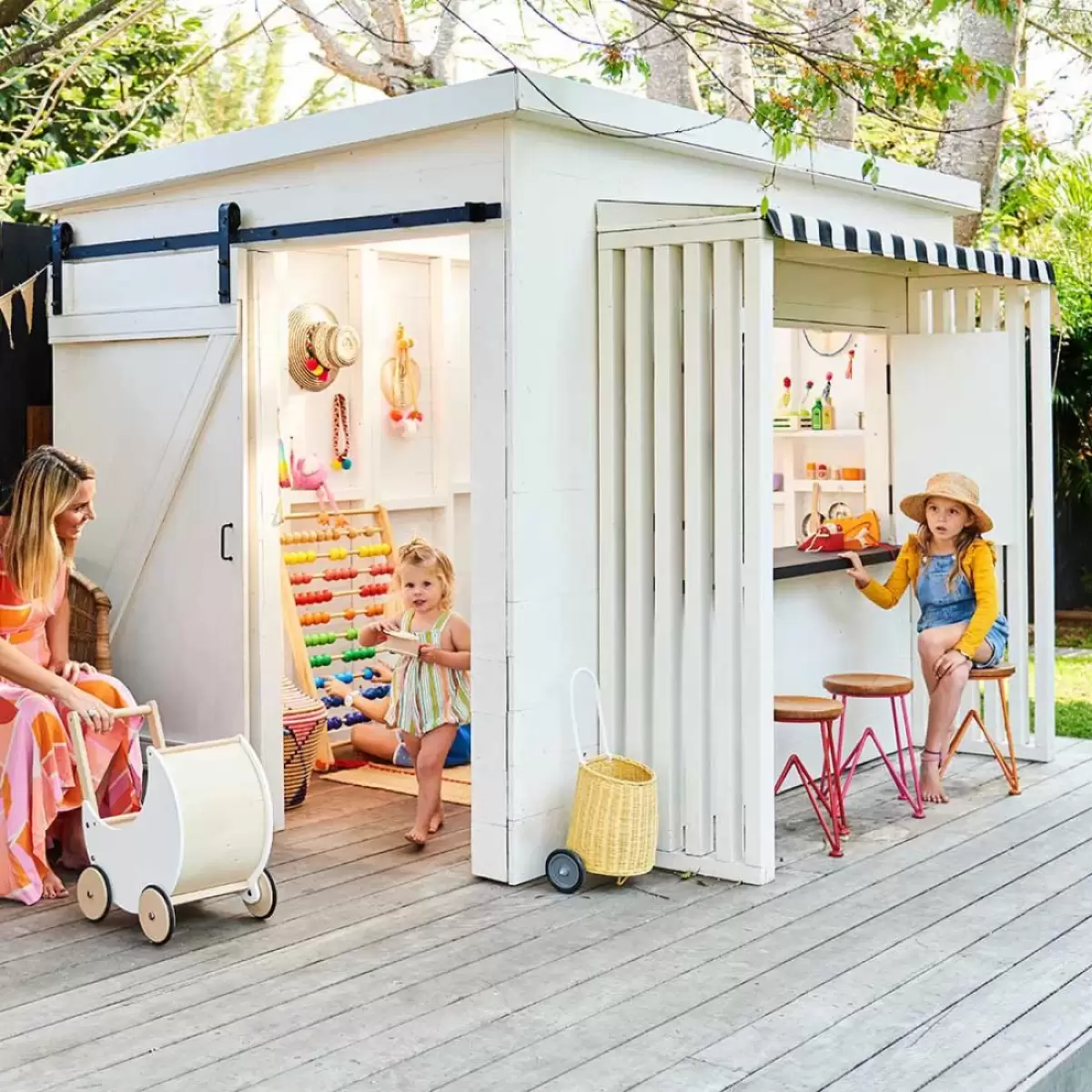
utomhusfack
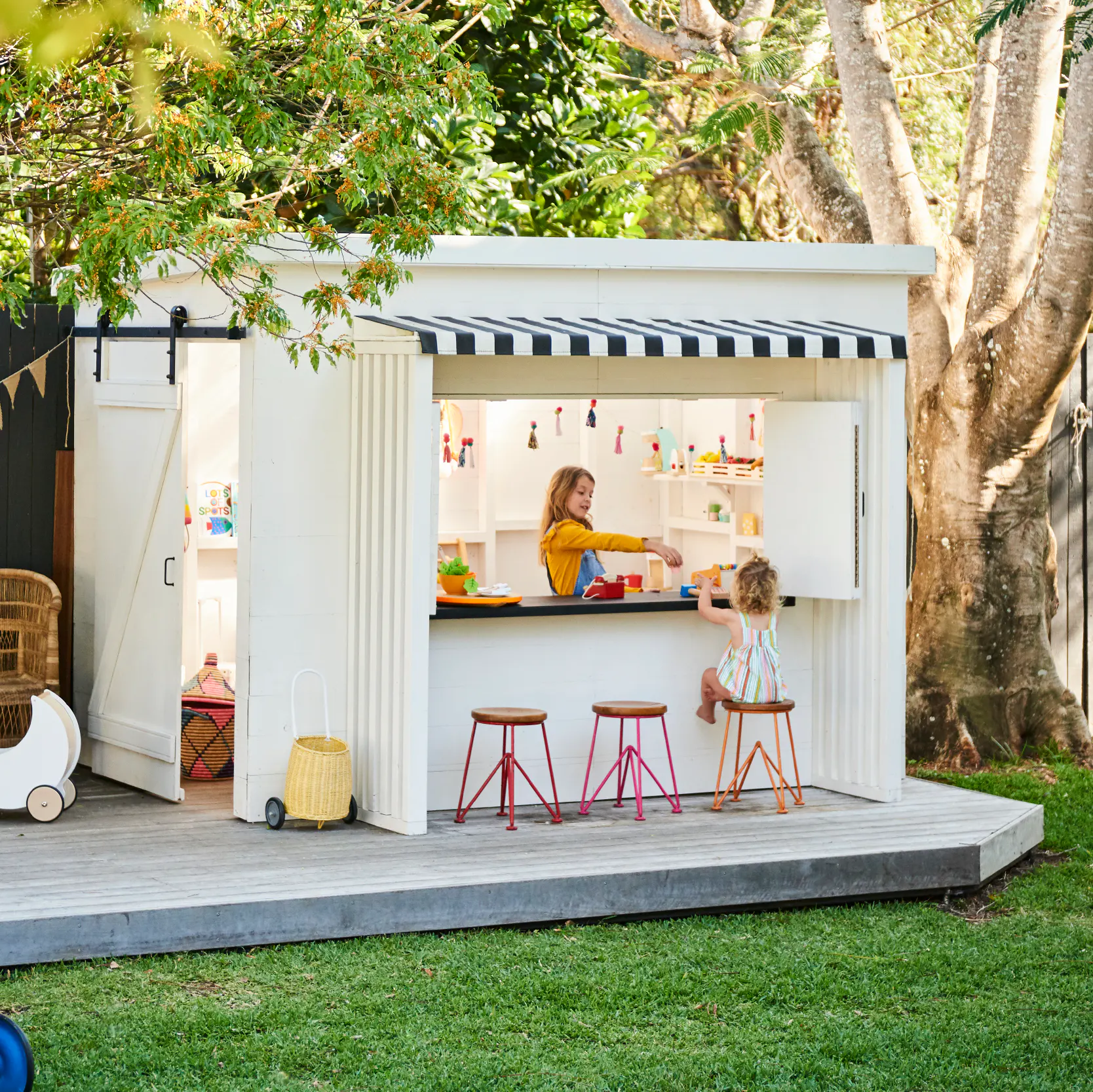
trähus
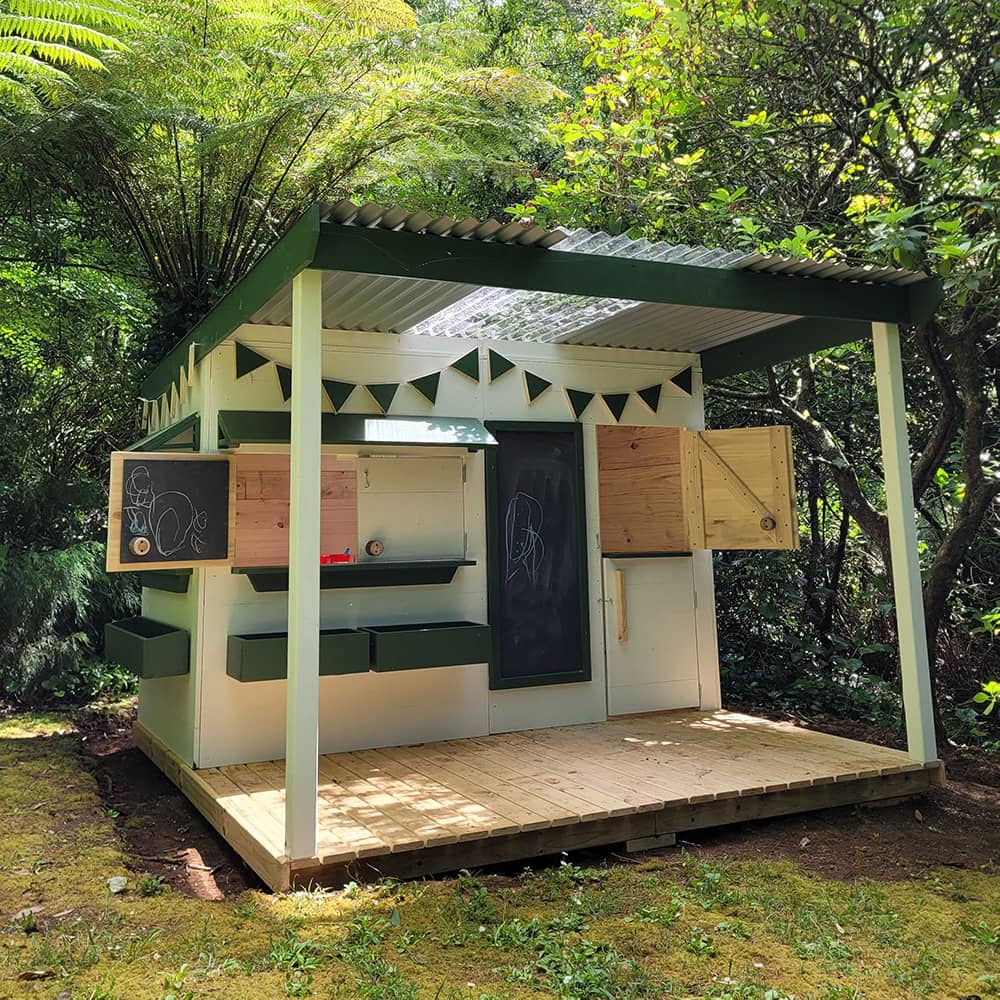
utomhus fackhus
barnens fackhus